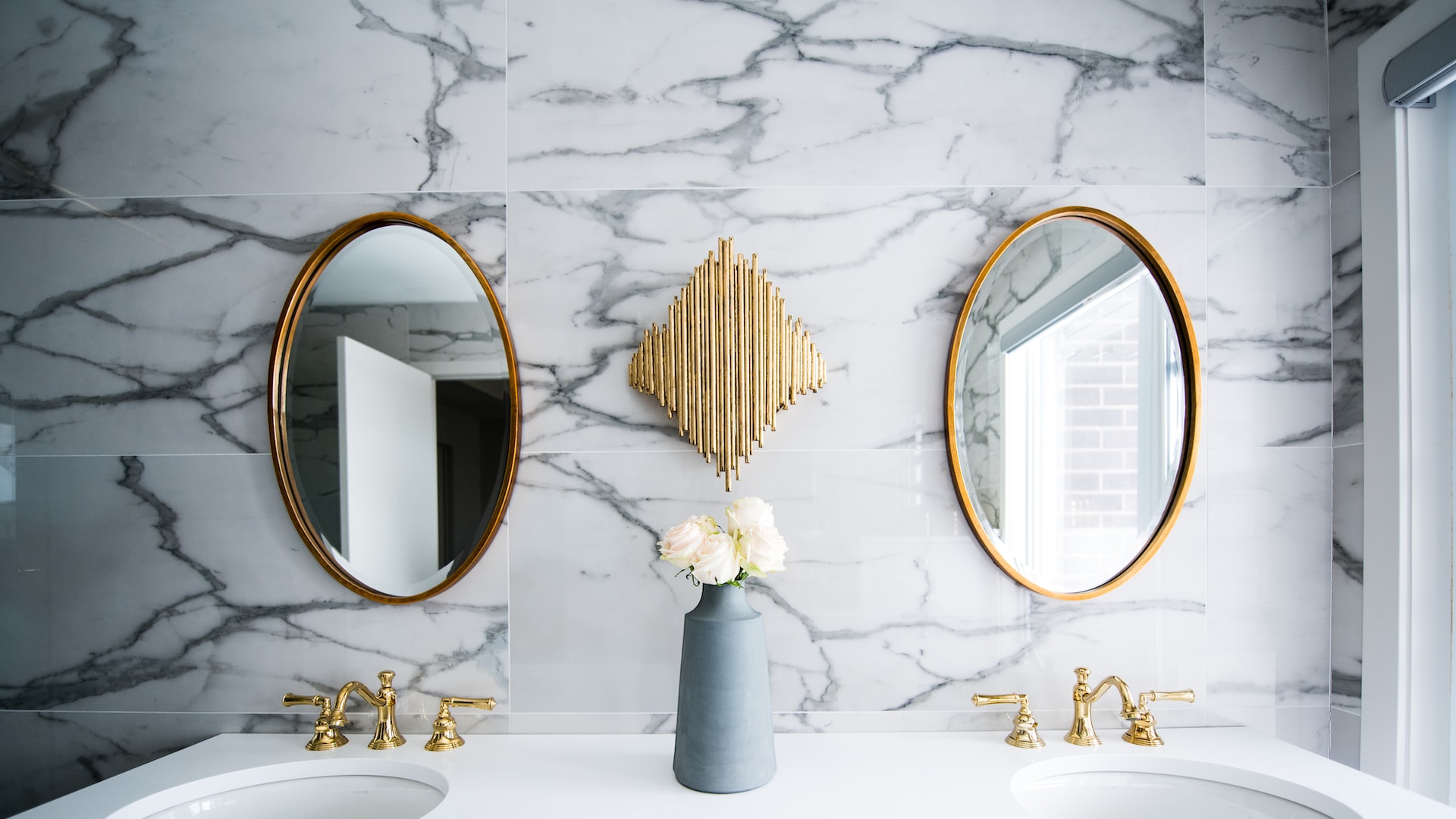
The bathroom has a way of setting the mood for the whole day. A shower with unpredictable temperature, a vanity crowded with toiletries or a floor that never quite feels dry can turn an ordinary morning into a small obstacle course. Yet when the room works well, the difference is surprisingly personal. There is somewhere to put everything, enough light to see clearly and a sense of calm before the household gets moving.
For homeowners in Quakers Hill, improving this hardworking space is not simply about choosing fashionable tiles. It is an opportunity to make a home more comfortable, easier to maintain and better suited to everyday routines. The same thinking applies to small business owners updating a staff bathroom or customer washroom, where practicality and presentation need to work together.
Blacktown Bathroom Renovations is a company to consider when exploring a bathroom makeover in Quakers Hill with thoughtful design. Before contacting a renovator, however, it helps to understand what your room needs, what deserves investment and which decisions should happen before demolition begins.
Finding Direction for Your bathroom makeover in Quakers Hill
Every successful renovation starts with a clear reason for changing the space. Perhaps the bathroom looks dated but functions well. Perhaps a leaking shower has made repairs unavoidable. Or perhaps the household has changed, and a once-adequate layout now feels cramped.
These situations call for different approaches. A cosmetic refresh might involve new fittings, paint and storage. More extensive bathroom renovations can involve changes to plumbing, waterproofing, electrical work and the underlying structure.
Before collecting tile samples, spend a week noticing how the room behaves.
- Where does water collect after a shower?
- Which cupboards are difficult to reach?
- Does the mirror lighting cast shadows across your face?
- Is there enough space to dry yourself comfortably?
- Does moisture linger long after the exhaust fan stops?
Answers to these questions create a useful brief. They also help prevent a common renovation mistake—spending heavily on visible finishes while leaving everyday frustrations unresolved.
Separate Your Needs From Your Wishlist
A useful planning exercise is to divide improvements into essentials, preferences and optional extras.
Essentials might include fixing water damage, improving ventilation or replacing unsafe flooring. Preferences could include a larger vanity or a walk-in shower. Extras might be a heated towel rail, a feature wall or custom cabinetry.
This does not mean giving up the enjoyable details. It means protecting the work that makes the room sound and functional before allocating money to decorative touches.
Choosing Between a Refresh and a Full Rebuild
The phrase “bathroom remodel” can mean anything from replacing a vanity to rebuilding the room from its substrate upwards. When requesting quotes, define the scope rather than relying on a broad label.
When a Smaller Update Makes Sense
A modest update may be suitable when the existing layout works, surfaces are sound and there are no signs of waterproofing failure. New tapware, improved lighting, refreshed paint and thoughtfully chosen storage can make a noticeable difference.
However, seemingly small changes can have wider implications. Removing tiles or replacing a shower base may disturb waterproofing. New fittings may not align with existing plumbing. An experienced professional should assess whether the proposed update can be completed without compromising the room’s integrity.
When a Full Bathroom Renovation Is More Practical
A full bathroom renovation becomes worth considering when several problems overlap. Persistent leaks, damaged flooring, poor ventilation and an awkward layout are often better addressed together than through repeated patchwork repairs.
Complete bathroom renovations also provide an opportunity to coordinate work behind the walls. Plumbing, electrical provision, waterproofing and wall preparation can be planned as a system rather than treated as separate jobs.
The larger scope requires more decisions, but it may produce a more coherent result—particularly when the existing room no longer meets the household’s needs.
Layout Choices That Earn Their Keep
An attractive bathroom can still be uncomfortable if the layout is wrong. Door swings, shower entry, towel access and standing space all deserve attention before fixtures are ordered.
Keeping plumbing fixtures near their existing positions may help control costs, although this is not always the best solution. If the current arrangement creates daily inconvenience, paying to change it may offer greater long-term value.
Make Space Feel Generous Without Wasting It
A wall-hung vanity can reveal more floor area and make cleaning easier, provided the wall structure and installation are suitable. A recessed mirrored cabinet can add useful storage without projecting heavily into the room. Clear shower glazing can help maintain sightlines.
Measure the practical details, not just the room itself. Check whether drawers can open fully, whether a person can comfortably use the basin and whether the shower screen interferes with access.
For family bathrooms, consider where bath toys, cleaning products and spare towels will live. In a small business bathroom, prioritise durable surfaces, intuitive use and appropriate access requirements for the premises.
Giving the Shower the Attention It Deserves
A shower renovation is often the most important part of the project because this area handles repeated water exposure. Beautiful tiles cannot compensate for poor preparation, inadequate drainage or unsuitable waterproofing.
The finished shower should be considered from the floor beneath it to the fittings above it. Falls need to direct water towards the drain, junctions require careful treatment and the enclosure must suit the room’s dimensions.
Balance Open Design With Water Control
Walk-in showers can look simple and spacious, but their success depends on more than removing a door. Screen position, showerhead direction and the available footprint influence how much water escapes.
Ask your renovator to explain:
- How the shower floor will drain.
- How the waterproofing system will be installed and documented.
- Whether the proposed screen will contain splashing.
- How the design allows for cleaning and maintenance.
- Whether structural conditions affect the planned shower entry.
These questions are especially useful when discussing a low-threshold design. A seamless appearance should never take priority over reliable water management.
An Ensuite That Feels Considered Rather Than Crowded
An ensuite renovation presents a slightly different challenge from a main bathroom. The room is often smaller, closely connected to a bedroom and used at times when another person may still be asleep.
Lighting, ventilation and noise therefore deserve particular care. A bright overhead light may be useful for cleaning but uncomfortable during an early start. Layered lighting can provide a gentler option, while suitable ventilation helps manage moisture near wardrobes and bedding.
Choose Fewer Features and Make Them Work
In a compact ensuite, trying to fit every desirable feature can reduce comfort. A generous shower and well-designed vanity may serve the room better than two small basins with little bench space.
Keep the material palette restrained and repeat finishes deliberately. Visual consistency can make a small space feel settled without relying on an entirely white scheme.
Looking Beyond the Surface When Choosing Trades
Bathroom renovation specialists should be able to discuss the unseen work as clearly as the decorative finishes. A detailed conversation about preparation, sequencing and responsibilities is usually more useful than a quick promise of transformation.
When speaking with Blacktown Bathroom Renovations, explain the problems you want to solve and ask what information is needed for a meaningful assessment. The company’s website is blacktownbathroomrenovation.com.au.
Avoid assuming that every renovator’s quote includes the same tasks. Bathroom builders may structure their proposals differently, particularly around demolition, waste removal, fittings and repair work discovered after strip-out.
What a Useful Quote Should Clarify
Look for enough detail to understand what you are purchasing. Depending on the project, this may include:
- Demolition and disposal arrangements.
- Plumbing and electrical allowances.
- Wall and floor preparation.
- Waterproofing and relevant documentation.
- Tile supply, installation and quantity allowances.
- Fixtures, cabinetry and shower screens.
- Painting, finishing and final cleaning.
- Exclusions and the process for approving variations.
Confirm relevant licensing and insurance, and ask who will coordinate the trades. Where approvals or compliance requirements apply, establish who is responsible for addressing them.
Building a Budget Around Real Priorities
A bathroom budget should account for more than the products on display in a showroom. Labour, preparation and coordination form a significant part of the work.
Older rooms can also conceal issues that are difficult to identify until demolition. Damaged framing, deteriorated plumbing or unsuitable substrates may change the scope. A contingency provides breathing room, although its size should reflect the property’s condition and the uncertainties involved.
Spend Where Replacement Would Be Difficult
Waterproofing, drainage and substrate preparation are not areas to choose on appearance or price alone. They sit beneath the finished room and are disruptive to revisit.
Decorative accessories are easier to upgrade later. If the budget becomes tight, simplifying a feature tile or choosing a standard-sized vanity may be preferable to compromising essential work.
Before bathroom installation begins, confirm product dimensions, lead times and compatibility. A delayed vanity or an incorrectly specified fitting can interrupt an otherwise well-organised schedule.
Frequently Asked Questions
How long does a bathroom renovation take?
Timing depends on the scope, product availability, site conditions and trade scheduling. A cosmetic update and a full rebuild have very different requirements. Ask for a project-specific programme that allows for inspections, drying or curing periods and any made-to-measure items.
Can we stay at home during the work?
Often, yes, but the practicalities depend on access to another bathroom and how the work area can be separated. Discuss water interruptions, dust management, working hours and safe access before the project starts. A household with only one bathroom may need alternative arrangements.
Is it worth moving the toilet or shower?
It can be worthwhile when the change substantially improves usability. However, moving fixtures may involve additional plumbing and building work. Ask for the benefits and cost implications to be explained before committing to a new layout.
Should tiles be purchased before choosing a renovator?
It is sensible to gather ideas early, but seek technical advice before placing major orders. Tile size, thickness, slip characteristics and suitability for wet areas can affect both design and installation. Your installer should also confirm quantities and waste allowances.
Can a bathroom be designed for changing mobility needs?
Yes. Clearer circulation, accessible storage and appropriate shower access can support easier use over time. Where specific mobility needs exist, seek tailored professional advice rather than assuming a standard layout will be suitable.
Make Your Next Step a Well Planned One
The most satisfying bathrooms do not simply photograph well. They make ordinary routines easier, handle moisture reliably and remain comfortable after the novelty of new finishes has faded.
Start with the room you have, identify its genuine shortcomings and develop a brief around the people who use it. Then discuss scope, responsibilities and budget with a renovation company before committing to products.
For Sydney homeowners considering Blacktown Bathroom Renovations, that first conversation is an opportunity to move beyond inspiration and towards a practical plan. A considered approach now can help create a bathroom that feels good to use every day.